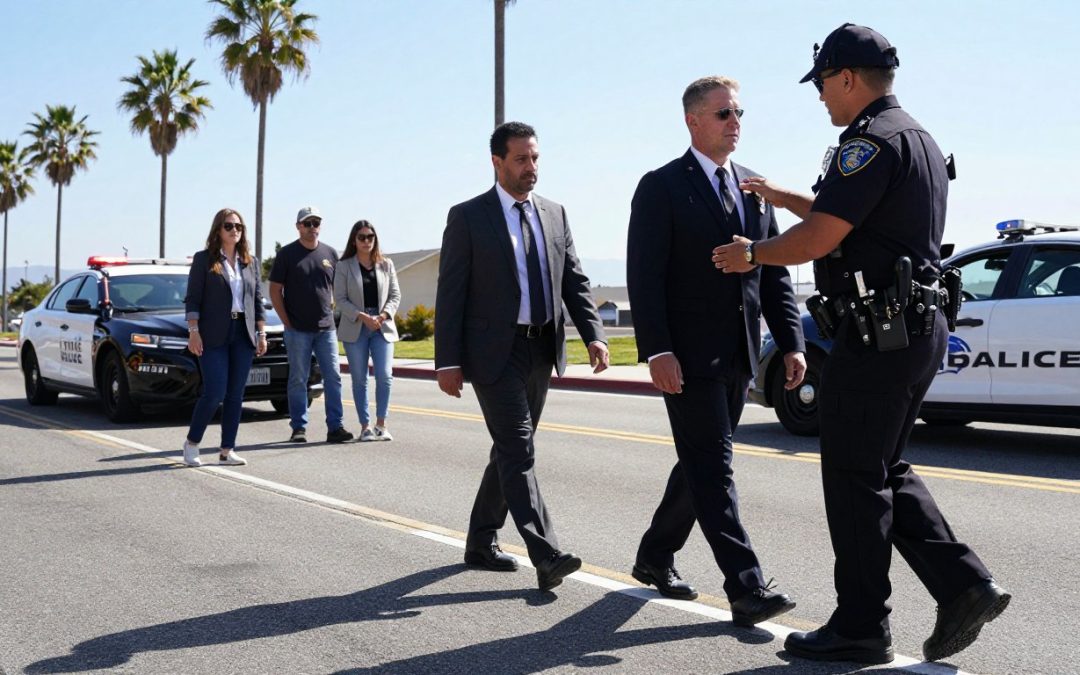
Seeing flashing lights in your rearview mirror can make you panic. When an officer asks you to step out for roadside exercises, it feels overwhelming. Many drivers are unsure of their rights in these situations.
It’s crucial to know your DUI stop rights. You must follow lawful orders, but not all requests are mandatory. Knowing the difference between voluntary tasks and required tests is key.
Many people worry about the consequences of refusing sobriety tests during a stop. A field sobriety test California officers do is technically voluntary. But, things change once you’re under arrest. Being informed helps you handle these situations with confidence and respect.
Understanding the Legal Status of a Field Sobriety Test California
The rules around a field sobriety test California are not well understood by many. When an officer asks for a roadside sobriety assessment, people think it’s a must. But, under California DUI laws, it’s not the same as other parts of a stop.
The Voluntary Nature of Field Sobriety Tests
It’s key to know these tests are voluntary field exercises. An officer might ask, but you can say no. Refusing sobriety tests doesn’t have the same penalties as refusing a chemical test.
These tests are based on the officer’s judgment. They look at balance, coordination, and focus. Since they’re not clear-cut, you don’t have to do them during a stop.
Distinguishing Between FSTs and Chemical Tests
There’s a big difference between physical tests and chemical tests. The DUI arrest procedure has rules for breath, blood, or urine tests. These tests are covered by implied consent laws, which have big penalties if you refuse.
A breathalyzer vs FST shows a big difference. A chemical test gives clear data on blood alcohol levels. A physical test is just evidence for arrest. Knowing your rights is crucial for every driver in California.
The Consequences and Rights During a Traffic Stop
When you’re pulled over for DUI, knowing your rights is key. It helps you handle the situation better. You should know which actions are required and which are not.
What Happens When You Decline the Exercises
Many drivers are curious about what happens if they don’t do the field tests. Remember, these tests are not required by California DUI laws. But, not doing them can change how the stop goes.
Potential Impact on Officer Perception
If you don’t do a field sobriety test in California, the officer will look at other signs. Subjective observations become more important. These can include:
- Slurred or incoherent speech patterns.
- Visible signs of physical impairment or balance issues.
- The smell of alcohol or the presence of open containers.
- Erratic driving behavior observed prior to the stop.
The Role of Probable Cause in DUI Arrests
An officer doesn’t always need field test results to arrest you. If they see enough signs of impairment, they can arrest you. The DUI arrest process aims to gather evidence from different sources.
Implied Consent Laws in California
Once arrested, the rules change because of implied consent laws in California. By driving on public roads, you agree to chemical tests if arrested for DUI.
Understanding Breath and Blood Testing Requirements
After an arrest, you must give a breath or blood sample. This is mandatory to check your blood alcohol level. Unlike field tests, these are strictly enforced for legal reasons.
Penalties for Refusing Chemical Tests
Refusing a test after arrest has serious consequences. The table below shows typical penalties.
| Offense Type | License Suspension | Legal Impact |
|---|---|---|
| First Refusal | One Year | Mandatory DMV hearing |
| Second Refusal | Two Years | Increased court fines |
| Third Refusal | Three Years | Possible jail time |
These penalties are separate from any criminal charges. Remember, refusing a test doesn’t stop an arrest. It can make your defense harder. Always talk to a lawyer if you face these serious penalties.
Conclusion
Dealing with a traffic stop needs a clear mind and knowing your rights. Drivers might feel pushed to do things they don’t have to. It’s important to know the difference between tests you can choose to do and those you must.
Choosing not to do roadside tests is a big decision with legal consequences. Understanding traffic stops in California helps you stay calm when dealing with police. This calmness helps protect your rights.
Legal issues with alcohol or drugs can get complicated fast. Getting help from DUI defense experts is key if you’re charged. They look closely at your case to build a strong defense.
Being prepared is the best thing for drivers. Always have your documents ready and know the latest laws. If you need advice, contact a trusted law firm for help specific to your case.