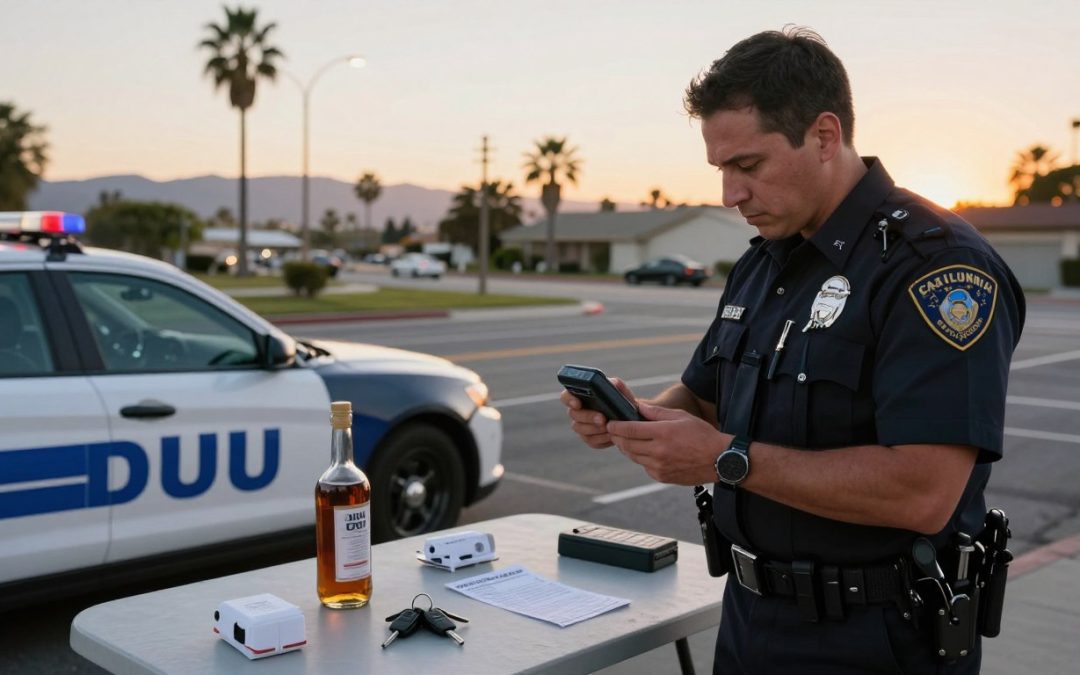
Facing a traffic stop can feel overwhelming. Many drivers search for clarity when they see DUI evidence California officials use. Understanding these systems is the first step to protect your future.
Understanding California DUI laws is crucial. Authorities use specific observations and tests to support their claims. By learning about these steps, you can better understand Understanding DUI charges.
Knowledge is key to a strong legal defense. Knowing the process helps you make informed decisions. Always stay calm and prepared to handle these situations well.
Understanding the Types of DUI Evidence California Authorities Collect
A DUI case often starts before a chemical test. When an officer makes a DUI traffic stop, they start collecting evidence. This early stage is key, as the officer’s observations are crucial for the prosecution under the California vehicle code.
Observations Made by Law Enforcement Officers
Initial Traffic Stop Indicators
Officers look for signs of impairment while driving. They might notice weaving, erratic braking, or not signaling turns. These signs are documented to justify the stop and the DUI investigation process.
Physical Signs of Impairment
After pulling over, officers check the driver’s physical state. They look for signs like slurred speech, bloodshot eyes, or a flushed face. These signs are often used in police officer testimony to show probable cause for arrest.
Results from Field Sobriety Tests
Drivers are then asked to do physical tasks. These tests check coordination and thinking, but they’re not perfect. Knowing how these tests work is key for DUI defense strategies.
Standardized Field Sobriety Test Protocols
Most California agencies use set protocols for these tests. Tests like the Horizontal Gaze Nystagmus, Walk-and-Turn, and One-Leg Stand follow strict rules. But, even small mistakes can help challenge DUI evidence in court.
Limitations and Subjectivity of Physical Testing
The field sobriety test accuracy is often questioned. Things like uneven pavement, medical issues, or nervousness can affect results. Since these tests depend on the officer’s judgment, they’re quite subjective. Knowing this is important for DUI arrest procedures and defense.
Chemical Testing and Digital Evidence in DUI Cases
Today, DUI cases often use both chemical tests and digital evidence. Police start by observing drivers, but the prosecution uses solid data to build its case. This scientific approach helps prove the state’s claims.
Breathalyzer and Blood Alcohol Concentration Results
Chemical testing DUI mainly checks alcohol levels in a person’s system. Police use breathalyzers to estimate the blood alcohol concentration (BAC) of drivers at the scene.
How Breath Testing Devices Function
These devices measure ethanol in a person’s breath. They assume a certain ratio between lung and blood alcohol levels. If the device finds alcohol above the legal limit, it gives the main breathalyzer results for the state.
Challenges to Blood Test Accuracy
Though common, these tests are not perfect. Challenging DUI evidence might question the machine’s calibration or the officer’s training. Good DUI defense strategies often look for errors in testing, like mouth alcohol or medical conditions that can affect blood alcohol concentration readings.
“The reliability of forensic evidence is only as strong as the protocols followed during its collection and analysis.”
Digital and Surveillance Evidence
Along with chemical tests, courts look at electronic evidence DUI to piece together what happened. This digital evidence can support or challenge the official story.
Dashcam and Body-Worn Camera Footage
Most police cars have cameras that record everything. This footage shows the driver’s actions, the initial contact, and field sobriety tests. It acts as an unbiased witness, making it clear what happened.
Electronic Records and GPS Data
Today’s vehicles and phones keep track of where you’ve been and how fast you were going. Prosecutors use this data to track a driver’s path or check if they were speeding. This information creates a timeline that’s hard to deny.
Witness Statements and Third-Party Reports
At times, the state uses outside accounts to strengthen its case. These reports add a human touch to the police’s technical findings.
Testimony from Other Drivers
Drivers who saw someone driving erratically often give DUI witness statements to the police. Their stories help show a pattern of behavior that justifies the stop. This police officer testimony is backed up by these civilian accounts.
Documentation from Emergency Responders
If there was an accident, paramedics and firefighters document what they saw. Their notes on the driver’s behavior, speech, and physical state are part of the official report. The table below shows how different evidence types affect a case:
| Evidence Type | Primary Purpose | Reliability Level |
|---|---|---|
| Breathalyzer | BAC Estimation | Moderate |
| Dashcam Video | Visual Proof | High |
| GPS Data | Timeline Tracking | High |
| Witness Reports | Contextual Detail | Variable |
Conclusion
Protecting your future starts with knowing the evidence against you. Understanding DUI charges helps you see your situation clearly. This knowledge is key to building a strong defense.
A good DUI defense challenges the evidence collected. Experienced attorneys help find flaws in the prosecution’s case. They guide you through the legal process.
Getting a good outcome often depends on preparation. Knowing local laws and evidence standards helps you make informed decisions. Being proactive reduces stress.
Consult a qualified legal expert about your case. Being prepared greatly improves your chances. Knowledge is a powerful tool against DUI accusations.