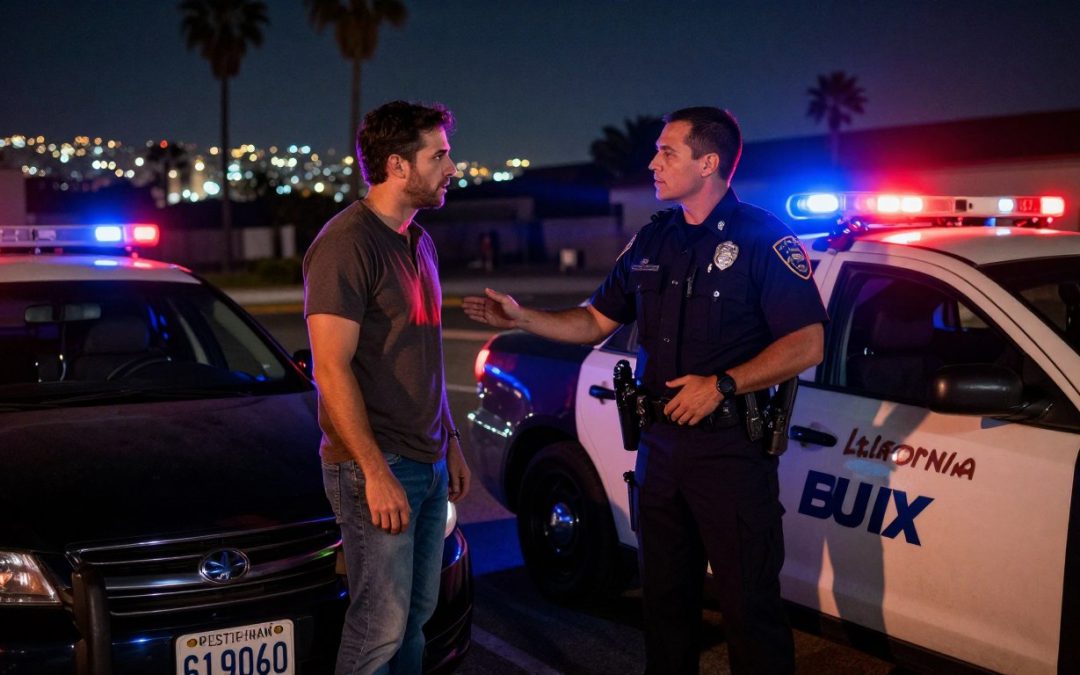
Getting pulled over while traveling far from home is stressful. A California DUI arrest makes things even more complicated. Drivers often feel lost due to unfamiliar local laws and worry about returning home with legal issues still pending.
Handling DUI charges in California means knowing how local laws affect non-residents. These cases lead to immediate legal trouble and long-term driving problems that follow you home.
This guide covers key steps for dealing with an out of state DUI California case. You’ll learn about court duties, how it affects your driving back home, and insurance changes.
The article also talks about California DUI defense strategies. Knowing these can help protect your rights and lessen the impact on your life.
What Happens After an Out of State DUI California Arrest
When an out-of-state driver is pulled over in California, the legal process starts right away. It’s crucial for anyone facing charges far from home to understand these steps.
California DUI Arrest Procedures and Immediate Consequences
Field sobriety testing, chemical testing, booking, and release
Standard California DUI arrest procedures begin with field sobriety tests and a preliminary breath test. If officers think you’re impaired, you’ll be taken to a station for more tests. These usually involve a breath or blood sample.
After the tests, you’ll go through booking. This includes fingerprinting, photographing, and a temporary stay in a cell. Once you’re sober or bail is posted, you’ll get a citation and a temporary license. This license is a notice to appear in court.
Drivers should know that chemical test refusal California laws are strict. By getting a driver’s license, you agree to testing if arrested for DUI.
Refusing a chemical test can lead to a longer license suspension. This penalty is separate from any criminal conviction and can be hard to challenge in court.
California Criminal Charges Versus Administrative License Action
The distinction between the criminal case and the DMV process
A criminal DUI case California authorities pursue is different from the DMV’s action. The criminal court deals with fines, jail time, and probation. The DMV focuses only on your driving privilege.
Even if you’re found not guilty in court, the DMV might still suspend your license. These two systems have different timelines and proof standards.
Time-sensitive deadlines for requesting a California DMV hearing
Out-of-state drivers have a short time to act. You must request a California DMV hearing within ten days of the arrest. This is to prevent an automatic suspension of your driving privileges.
| Feature | Criminal Court Case | DMV Administrative Process |
|---|---|---|
| Primary Goal | Punishment and Public Safety | Driving Privilege Regulation |
| Decision Maker | Judge or Jury | DMV Hearing Officer |
| Key Deadline | Arraignment Date | 10 Days from Arrest |
| Outcome | Fines, Jail, Probation | License Suspension |
Prompt action is key to protect your rights. Missing the deadline to request a hearing usually means giving up your right to contest the suspension.
California Court Requirements for Drivers Who Live Elsewhere
Dealing with the California court system from afar is tough for any out-of-state driver. If you’re arrested for DUI in California, the legal process starts, no matter where you live. You need to know how to handle these duties without messing up your life back home.
When an Out-of-State Driver Must Appear in California Court
Arraignment dates, mandatory appearances, and possible remote participation
The first California DUI court appearance is key. Some minor hearings might let you join remotely, but you might need to be there in person for others. Talk to your lawyer to figure out which dates you must attend.
Why missing court can lead to a warrant or additional penalties
Missing court is a big mistake that can get you a bench warrant right away. If a warrant is issued, you could get arrested in California or even in your home state. Always make sure to attend your court dates to avoid getting into more trouble.
Resolving the Case Without Repeated Trips to California
How a California DUI attorney may handle routine court appearances
Getting a good California DUI attorney is the best way to cut down on travel. Often, your lawyer can go to court for you for routine stuff, saving you time and money. This lets you keep your job and personal life while your lawyer takes care of court stuff.
Documents and information the driver should provide to counsel
To build a strong defense, give your lawyer all the important documents. This includes your ticket, contact info, and any driving history records. Giving accurate info helps your lawyer fight for your rights.
| Appearance Type | Physical Presence | Remote Option | Legal Representation |
|---|---|---|---|
| Arraignment | Often Required | Rarely Allowed | Attorney Can Appear |
| Pre-Trial Motions | Optional | Commonly Permitted | Attorney Can Appear |
| Trial/Sentencing | Mandatory | Not Permitted | Required Presence |
License, Insurance, and Interstate Consequences of a California DUI
An out-of-state DUI conviction in California can affect you far beyond the state. Drivers often think legal trouble stays in one place. But today, information moves fast. It’s key to know about DUI conviction reporting if you’re facing charges.
How California Reports DUI Convictions to Another State
California reporting systems and the driver’s home-state licensing authority
California uses the National Driver Register and the Problem Driver Pointer System. These systems let California tell your home-state licensing authority about your DUI. Your home state might then take action against your driving privileges.
Why penalties can differ based on the home state’s laws
The home-state license consequences depend on your state’s laws. Some states follow California’s penalties, while others have their own rules. It’s important to talk to a local lawyer who knows how your state handles out-of-state DUIs.
“The law is a web that catches the small flies and lets the big ones break through.”
License Suspension, Restricted Driving, and Ignition Interlock Requirements
California suspension rules and possible driving restrictions
A California license suspension affects your right to drive in the state. But if you’re not a resident, California will tell your home state. This might lead to a suspension of your home license too. You might get restricted driving privileges, but managing them from afar is tough.
Ignition interlock devices, proof of installation, and compliance monitoring
If you need an ignition interlock device California requires, it must meet state standards. You’ll need to show proof of installation to the court or DMV. Keeping up with compliance monitoring is crucial. Not reporting data can cause more legal trouble.
Insurance and Employment Effects
SR-22 filings, higher premiums, and policy complications
Getting an SR-22 California DUI filing is often needed to get your license back. This document proves you have insurance, but it can raise your rates. Many insurers see you as a high-risk driver, leading to higher premiums or policy cancellations.
Potential consequences for commercial drivers and professional licenses
For those with a commercial driver DUI California record, the consequences are even worse. Professional licenses often require a clean driving record. A DUI can mean losing your job or your license. Check your industry’s rules to see how a DUI affects your career.
- Notify your insurance provider immediately to avoid coverage gaps.
- Keep detailed records of all court-ordered compliance documents.
- Consult with a professional licensing board if your career depends on a clean record.
Conclusion
Facing a DUI charge in California when you’re from out of state is tough. You have to deal with court dates, DMV hearings, and higher insurance costs. Keeping all your documents in order is key to protecting your driving rights.
Time is very important in these cases. If you miss a deadline, you could lose your license or face a bench warrant. Taking early action can help lessen the damage to your record and travel plans.
Getting a good DUI lawyer in California is a big plus. They know the local laws well and how they affect your home state’s rules. They can help you find the best defense for your case.
Don’t wait to talk to a lawyer. Small mistakes can lead to big problems. Your future is at stake, and quick action can make a big difference.