
Knowing how criminal charges are filed is key in the criminal justice system of Los Angeles County. You might wonder what happens when someone is accused of a crime. And how does the prosecution process work?
When a crime is reported, police start an investigation and collect evidence. If they find enough evidence, they might arrest the suspect. Then, they send the case to the prosecutor’s office to file charges.
The prosecutor looks over the case to decide if they should go ahead with the charges. Understanding this process is important. It helps you know your rights and what legal steps come next.
The Criminal Justice System in Los Angeles County
Understanding the criminal justice system in LA County is key. You need to know the main agencies and their roles. It’s important to see how they work together to handle criminal cases.
Key Agencies Involved in Criminal Prosecution
The LA County District Attorney’s Office is in charge of prosecuting crimes. They team up with law enforcement to build strong cases against defendants.
- The LA County District Attorney’s Office handles felony and misdemeanor cases.
- They work with other agencies to collect evidence.
Jurisdiction and Authority in LA County
Jurisdiction and authority in LA County are spread out among different courts and agencies. The Los Angeles County Superior Court handles most criminal cases.
Superior Court Structure
The Los Angeles County Superior Court is split into several departments. These include:
| Court Department | Description |
|---|---|
| Criminal Courts | Handle criminal cases, including arraignments, trials, and sentencing. |
| Pre-Trial Courts | Manage pre-trial proceedings, such as bail hearings and preliminary examinations. |
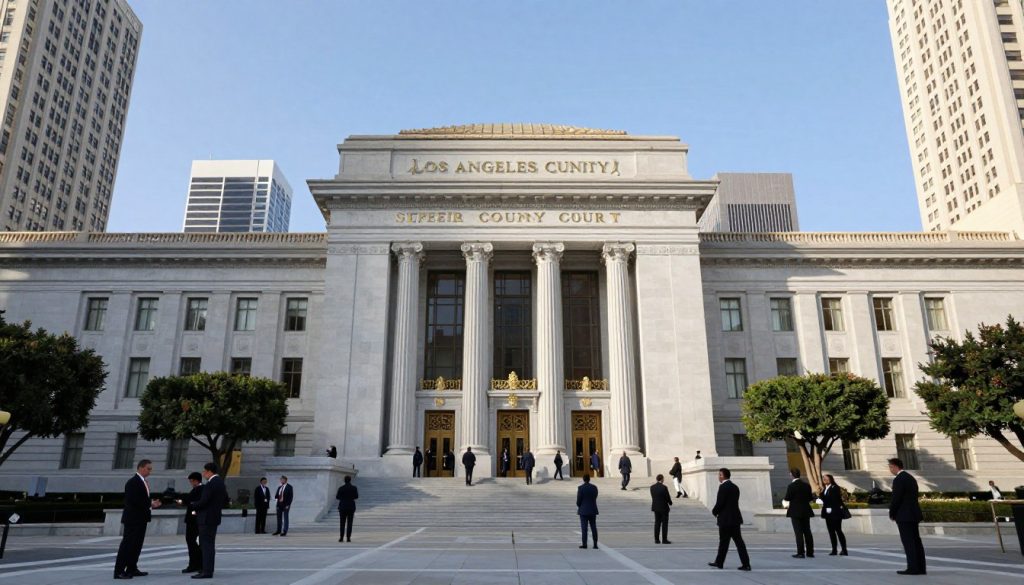
Knowing the structure and jurisdiction of these courts is crucial. It helps you navigate the criminal justice system in LA County.
Initial Arrest and Booking Process
Understanding the initial arrest and booking process is key for those facing criminal charges in Los Angeles County. This process includes several important steps. These steps can greatly affect the outcome of your case.
Probable Cause Requirements
The first step is establishing probable cause. Law enforcement must have enough evidence to believe you’ve committed a crime. This is a constitutional protection against illegal arrests.
Probable cause can come from many sources. This includes witness statements, physical evidence, or police observations. If there’s no probable cause, it could lead to charges being dropped or evidence being thrown out.
Booking Procedures at LA County Facilities
After arrest, you’ll be taken to an LA County jail facility for booking. The booking process includes several steps:
- Personal information collection
- Property inventory
- Medical screening
- Fingerprinting and identification
Fingerprinting and Identification
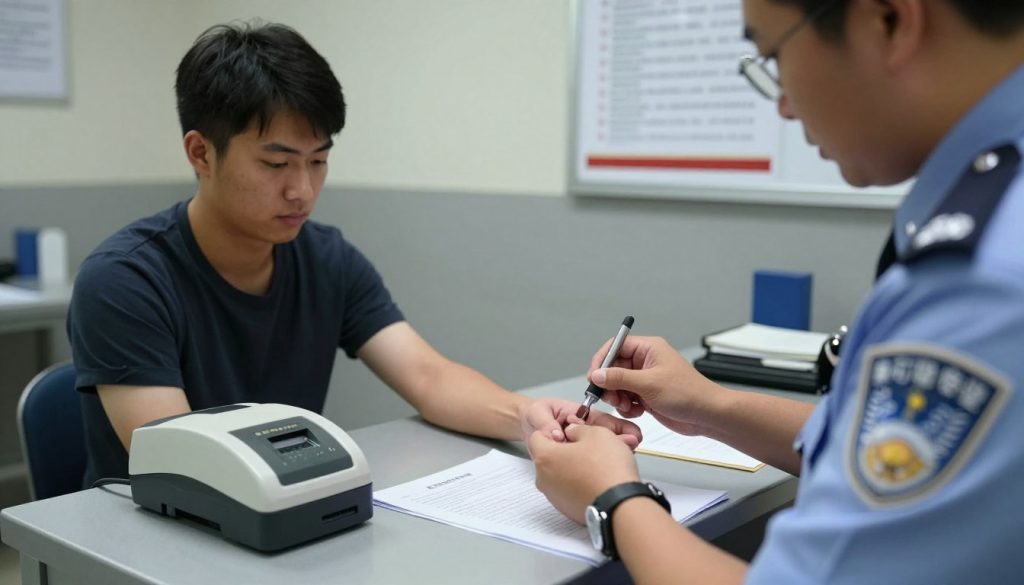
Fingerprinting is a key part of booking. Your fingerprints are checked against records in local, state, and federal databases. This helps identify you and check for any outstanding warrants. It’s crucial for accurate identification in the criminal justice process.
The information gathered during booking is vital for legal proceedings. It’s important that this process is done lawfully and accurately. This ensures the criminal justice system’s integrity.
Types of Criminal Charges in Los Angeles County
In Los Angeles County, knowing the difference between various criminal charges is key. The county’s laws sort crimes by how serious they are. This affects the penalties and legal steps involved.
Misdemeanors vs. Felonies
In LA County, crimes are mainly split into misdemeanors and felonies. Misdemeanors are less serious and usually come with smaller fines or short jail times. Felonies, however, are more serious. They can mean longer prison sentences, sometimes even life.
Common Criminal Charges in LA County
Some common charges in Los Angeles County include:
- Theft and burglary
- Assault and battery
- Driving under the influence (DUI)
- Drug-related offenses
Wobbler Offenses in California Law
California has a special rule called “wobbler offenses.” These are crimes that can be either misdemeanors or felonies. It depends on the situation and the prosecutor’s choice. Examples are some thefts, assault with a deadly weapon, and drug possession.
Knowing if a charge is a wobbler is very important. It can change how you defend yourself and what the outcome might be.
The Role of Law Enforcement in Filing Criminal Charges
In Los Angeles County, law enforcement is key in starting criminal cases. They collect evidence, write police reports, and get cases ready for referral to prosecution.
Police Reports and Evidence Collection
Law enforcement officers must write detailed police reports about crimes. These reports are essential for building a case against the accused. They also collect physical evidence, witness statements, and other important info.
Referral to Prosecution
Once they finish investigating and collecting evidence, law enforcement sends the case to the prosecution. They give the police reports and evidence to the Los Angeles County District Attorney’s Office for review.
Interaction Between LAPD and Sheriff’s Department
In Los Angeles County, the Los Angeles Police Department (LAPD) and the Los Angeles County Sheriff’s Department are both important. They work together on cases that affect both areas. This teamwork helps in a thorough law enforcement and criminal prosecution effort.
The Los Angeles County District Attorney’s Office
The LA County District Attorney’s Office plays a key role in keeping justice alive. It is the main agency that deals with criminal cases in Los Angeles County. They handle a wide range of crimes.
Structure and Jurisdiction
The office is led by an elected District Attorney. It has different divisions and units, each focusing on specific cases. They cover all of Los Angeles County, making it one of the biggest DA offices in the U.S.
Prosecutorial Discretion
One of the DA’s office’s main jobs is using prosecutorial discretion. This means they decide which cases to go after, what charges to file, and if to offer plea deals. They have to balance justice with the rights of the accused.
Special Prosecution Units
The DA’s office has special prosecution units for certain crimes like gang activity, human trafficking, and corruption. These units help tackle complex crimes more effectively.
Knowing about the LA County District Attorney’s Office’s structure, jurisdiction, and special units helps you understand criminal prosecution in Los Angeles County better.
How Criminal Charges Los Angeles County Are Formally Filed
It’s important to know how criminal charges are filed in Los Angeles County. This knowledge helps you understand the legal system better. The process has several key steps, each playing a vital role in the criminal justice system.
Complaint Filing Process
The first step is the complaint filing process. It starts when a police officer brings a complaint to the prosecutor’s office. This complaint must show probable cause for the arrest and charges. The prosecutor then decides if to file formal charges.
Information Filing
For misdemeanor cases, the prosecutor files an information document with the court. This document outlines the charges against the defendant. It’s filed after a preliminary hearing, where a judge decides if there’s enough evidence for trial.
Grand Jury Indictments
In felony cases, the prosecution presents evidence to a grand jury. The grand jury then decides if to indict the defendant. An indictment is a formal accusation of a crime. It means the grand jury found enough evidence for a trial. This is an alternative to a preliminary hearing.
In conclusion, filing criminal charges in Los Angeles County is a detailed process. It includes complaint filing, information filing, and grand jury indictments. Each step is important to protect the accused’s rights and seek justice.
Rights of the Accused in Los Angeles County
Being accused of a crime in LA County can be scary. But knowing your rights can help a lot. It’s key to understand the law’s protections when facing criminal charges.
Right to Legal Representation
You have the right to a lawyer, a core part of the U.S. justice system. This right means you get a skilled lawyer to defend you. The LA County Public Defender’s Office helps those who can’t afford a private lawyer.
LA County Public Defender’s Office
The LA County Public Defender’s Office works hard to give quality legal help. They handle cases from small crimes to serious felonies. Their goal is to make sure everyone gets a fair trial, no matter their money situation.
| Service | Description |
|---|---|
| Legal Representation | Providing attorneys for defendants who cannot afford private counsel |
| Case Management | Managing cases from arraignment through trial |
Miranda Rights and Police Questioning
When questioned by police, you have the right to stay silent and know your rights, known as Miranda rights. These rights include the right to an attorney and the right to have one if you can’t afford it. The U.S. Supreme Court said in
Miranda v. Arizona, “the right to silence is a fundamental right.”
Knowing your rights can greatly affect your case’s outcome. It’s important to understand and use these rights during the legal process.
Initial Court Appearances and Arraignment
When you first enter the LA County criminal justice system, your first court appearance is key. This is called an arraignment. Here, the charges against you are formally stated, and you learn about your rights.
Bail Hearings in LA County Courts
At the arraignment, bail is a big topic. The court will decide if you get bail and how much it will be. They look at the charge’s severity, your past, and if you’ll show up for court.
If you contest the bail, your lawyer can try to lower it or get you released without bail. Knowing about bail is important because it affects your freedom before trial.
Entering a Plea
At the arraignment, you must choose how to plead to the charges. You can say “not guilty,” “guilty,” or “no contest.” Your choice greatly influences your case’s path.
“The plea entered at arraignment sets the stage for the entire case. It’s a critical decision that should be made with the guidance of an experienced attorney.”
Court Scheduling and Timeline
The arraignment also sets future court dates, like preliminary hearings and trials. Knowing the court schedule helps you prepare your defense.
| Court Proceeding | Typical Timeline | Description |
|---|---|---|
| Arraignment | Within 48 hours of arrest | Initial court appearance, bail discussion, plea entry |
| Preliminary Hearing | Within a few weeks after arraignment | Determination of sufficient evidence for trial |
By understanding the initial court appearances and arraignment in Los Angeles County, you can better navigate the criminal justice system.
Pre-Trial Proceedings in Los Angeles Criminal Cases
When you face criminal charges in Los Angeles, the pre-trial phase is very important. It involves several key steps that can greatly affect your case’s outcome.
Preliminary Hearings
A preliminary hearing is a key step. The prosecution must show there’s enough evidence to try you. The judge then decides if there’s probable cause to believe you committed the crime.
Pretrial Motions
Pretrial motions are legal requests your attorney makes to the court. They aim to solve issues before the trial starts. These can include requests to suppress evidence or change the venue.
Discovery Process
The discovery process is about sharing information and evidence. It’s crucial for building a strong defense. It helps ensure you’re ready for trial.
To show how important these steps are, here’s a table comparing preliminary hearings and pretrial motions:
| Proceeding | Purpose | Key Elements |
|---|---|---|
| Preliminary Hearing | Determine probable cause | Prosecution presents evidence, judge decides on probable cause |
| Pretrial Motions | Resolve pre-trial issues | Defense and prosecution make legal requests, judge rules on motions |
Understanding these pre-trial steps can help you better navigate the criminal justice system. Working closely with your attorney can protect your rights during this time.
Diversion Programs and Alternative Prosecution
In LA County, diversion programs offer a different path than traditional court cases. They let defendants take part in special programs. This might help them avoid a conviction and the penalties that come with it.
Mental Health Diversion
Mental health diversion is for those whose crimes are linked to mental health problems. It focuses on treatment and support, not punishment. Participants get evaluated and treated, which can include counseling and medication.
Drug Diversion Programs
Drug diversion programs are for those whose crimes are linked to drug use. They focus on rehab through treatment, education, and sometimes community service. If they succeed, they might have their charges dropped or get a lighter sentence.
LA County-Specific Alternative Sentencing Options
LA County has many alternative sentencing options. These include community service, house arrest, and electronic monitoring. They aim to fit the defendant’s situation better while keeping everyone safe.
| Program Type | Target Population | Key Components |
|---|---|---|
| Mental Health Diversion | Defendants with mental health issues | Psychiatric evaluation, treatment, counseling |
| Drug Diversion | Individuals with substance abuse issues | Drug treatment, education, community service |
| Alternative Sentencing | Various, based on case specifics | Community service, house arrest, electronic monitoring |
Trial Process for Criminal Charges
The trial process in Los Angeles County for criminal charges is complex. It includes jury selection, trial procedures, and sentencing guidelines. Understanding these stages is key for defendants to navigate the criminal justice system well.
Jury Selection in LA County Courts
Jury selection is a vital part of the trial. In Los Angeles County, it starts with summoning potential jurors for voir dire. During this, both sides question jurors to see if they can fairly hear the case.
Trial Procedures and Evidence Presentation
After picking the jury, the trial moves to opening statements. The prosecution goes first, then the defense. Evidence comes from witnesses, documents, and physical items. The prosecution must prove the defendant’s guilt beyond doubt.
Verdict and Sentencing Guidelines
After both sides present their cases, the jury decides. If found guilty, the court sets a sentence. Sentencing in Los Angeles County looks at the crime’s severity, past convictions, and any good reasons for leniency.
| Stage | Description |
|---|---|
| Jury Selection | Potential jurors are questioned to assess their suitability. |
| Trial Procedures | Evidence is presented through witness testimony and physical evidence. |
| Sentencing | The court determines the sentence based on the severity of the crime and other factors. |
Conclusion: Navigating Criminal Charges in Los Angeles County
Dealing with the Los Angeles County criminal justice system can be tough. It’s especially hard when you’re facing criminal charges. Knowing the steps from arrest to trial is very important.
The Los Angeles County District Attorney’s Office is key in filing charges. Their actions can greatly affect a case’s outcome. Understanding how charges are filed and the different stages helps you navigate better.
If you’re involved in a case or just want to know more about the system, knowing is crucial. By learning about the processes in this article, you’ll understand how to handle criminal charges in Los Angeles County.